
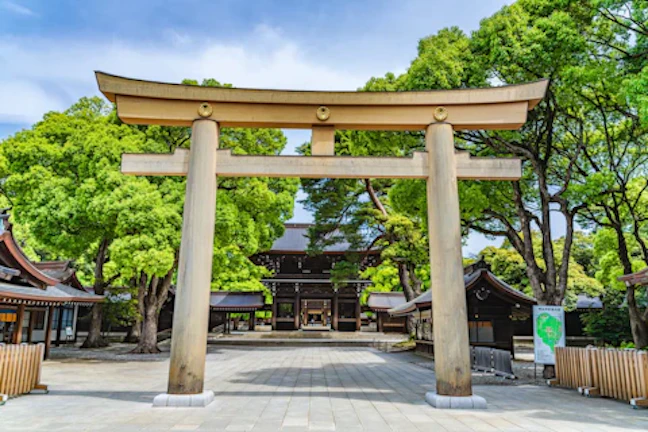
Tokyo is a city where ancient traditions and modern life seamlessly coexist — and nowhere is that more evident than in its many Shinto shrines. With so many sacred sites scattered across the city, it can be hard to know where to begin.
In this guide, we've selected five of Tokyo's most famous and beloved shrines, each known for its unique character and distinctive divine blessings — from Koami Shrine, revered for financial fortune and strong protective power, to Tokyo Daijingu, celebrated as the city's go-to shrine for love and romance.
If you haven't had the chance to visit yet, these five shrines make an excellent starting point for your shrine-hopping journey through Tokyo.
▼ Here's a quick overview of the five shrines featured in this article:
| Shrine | Location | Highlight | Main Blessings |
|---|---|---|---|
| Meiji Jingu | Shibuya, Tokyo | Japan's most-visited New Year shrine | Love & marriage, protection from misfortune |
| Kanda Shrine (Kanda Myojin) | Chiyoda, Tokyo | Where history meets pop culture | Love, business prosperity, protection from misfortune |
| Tokyo Daijingu | Chiyoda, Tokyo | "Tokyo's Ise Shrine" | Love, romance & good relationships |
| Hie Shrine | Chiyoda, Tokyo | "Guardian of Edo Castle" with sacred monkey statues | Business prosperity, career fortune, love |
| Koami Shrine | Chuo, Tokyo | Sacred site for luck and financial fortune | Strong luck, financial fortune, wealth |
1.明治神宮(Meiji Jingu)
Japan's Most-Visited New Year Shrine
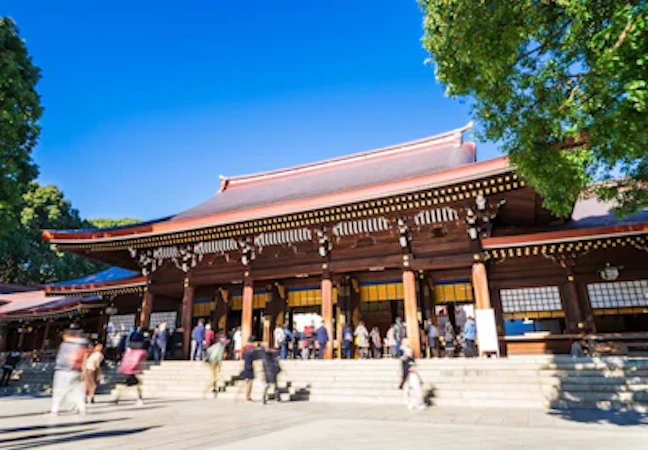
Meiji Jingu is a grand Shinto shrine located in Shibuya, Tokyo. Established in 1920, it is dedicated to Emperor Meiji and Empress Shoken — two beloved figures who played a central role in Japan's transformation into a modern nation in the late 19th and early 20th centuries.
Every New Year, Meiji Jingu draws the largest number of worshippers of any shrine in Japan, making it the country's most iconic destination for hatsumode (the traditional first shrine visit of the year).
The shrine is celebrated for its divine blessings for love and marriage, as well as protection from misfortune. At the shrine office (授与所), visitors can choose from a variety of amulets (good luck charms), including those for finding love, warding off bad luck, and passing important exams.
Surrounded by approximately 700,000 square meters of lush forest, the shrine grounds feel remarkably removed from the busy streets just outside — a serene, almost otherworldly sanctuary in the heart of the city. Within the complex, you'll also find the Meiji Jingu Museum, which displays personal belongings and artifacts connected to the Emperor and Empress, and the Kakuuntei — a historic teahouse once used as a private resting spot by the Empress.
After exploring the grounds, be sure to stop at one of the on-site cafés or restaurants — a perfect way to relax and reflect after your shrine visit.
Meiji Jingu
| Address | 1-1 Yoyogikamizonocho, Shibuya, Tokyo |
| Access | Approx. 1-min walk from JR Harajuku Station or Tokyo Metro Meijijingumae Station. From any of the three shrine gates (Harajuku, Yoyogi, or Sangubashi entrance), it's about a 10-min walk to the main hall. |
| Hours | Sunrise to sunset (e.g., 6:40 AM–4:20 PM in January; 5:00 AM–6:30 PM in July) |
| Phone | 03-3379-5511 |
2.神田神社(神田明神)(Kanda Shrine, Kanda Myojin)
Where Ancient History Meets Modern Pop Culture
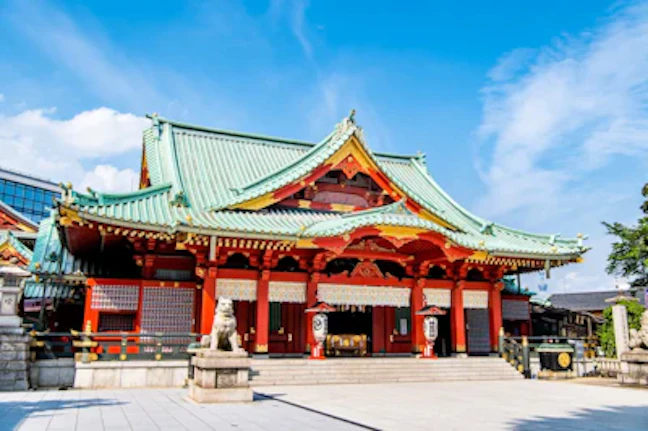
Kanda Shrine — popularly known as Kanda Myojin — is a historic Shinto shrine located in Chiyoda, Tokyo. Founded in 730 AD, it serves as the guardian shrine (ujigami) for approximately 108 neighborhoods across the city, including Kanda, Nihonbashi, Akihabara, Marunouchi, and Toyosu.
Three powerful deities are enshrined here: Okuninushi-no-Mikoto, a god of relationships and nation-building; Sukunahikona-no-Mikoto, a god of medicine and craftsmanship; and Taira no Masakado-no-Mikoto, a legendary warrior of the Heian period. Together, they are said to grant divine blessings for love, business prosperity, good fortune, and protection from misfortune.
The shrine is also a beloved destination for anime fans — it served as a key setting in the popular series "Love Live!", and in autumn 2024 hosted a special collaborative exhibition with the anime "The Apothecary Diaries." For fans of Japanese animation, this shrine doubles as a one-of-a-kind pop culture pilgrimage site.
The Kanda Festival — one of Edo's three great festivals as well as one of Japan's three great festivals, and a spectacular celebration held in the heart of Tokyo — is hosted here, with the next festival scheduled for May 2025. If your trip happens to align, it's an unmissable spectacle.
Kanda Shrine (Kanda Myojin)
| Address | 2-16-2 Sotokanda, Chiyoda, Tokyo |
| Access | 5-min walk from JR Ochanomizu Station (Hijiribashi Exit) or Tokyo Metro Chiyoda Line Shin-Ochanomizu Station; 7-min walk from JR Akihabara Station (Electric Town Exit). Also within walking distance from Tokyo Metro Marunouchi Line Ochanomizu Station and Ginza Line Suehirocho Station. |
| Hours | Grounds freely accessible (Amulet office: 9:00 AM – 5:00 PM) |
| Phone | 03-3254-0753 |
3. 東京大神宮(Tokyo Daijingu)
"Tokyo's Ise Shrine" — The City's Top Destination for Love and Romance
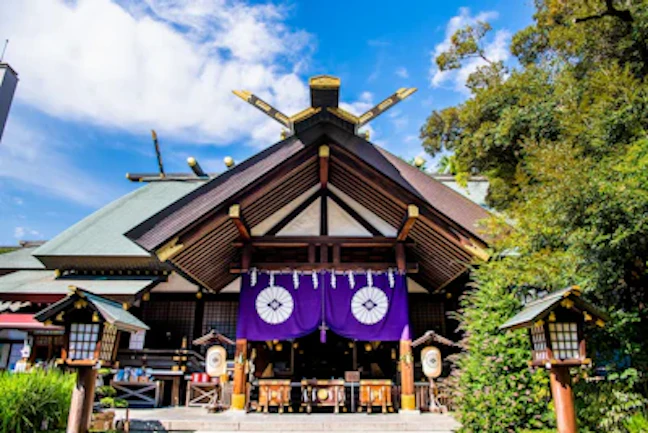
Tokyo Daijingu is a Shinto shrine located in Chiyoda, Tokyo. Its origins trace back to 1880, when a worship hall dedicated to the revered Ise Grand Shrine — Japan's most sacred Shinto site — was established in the Hibiya district. After the Great Kanto Earthquake of 1923 devastated much of Tokyo, the shrine was relocated to its current site in 1928.
Affectionately known as "Tokyo's Ise Shrine," the shrine enshrines Amaterasu Omikami — the sun goddess and supreme deity of the Shinto pantheon — along with Toyouke no Omikami, the deity of harvests and sustenance. It also honors the Zoka Sanshin, three primordial deities of creation believed to govern the bonds and connections between people.
Tokyo Daijingu holds a unique place in Japanese cultural history as the first shrine in Japan to conduct Shinto wedding ceremonies (shinzen kekkon) — a tradition that has since spread throughout the country. As a result, it has long been revered as a place for seeking blessings in love, romance, and all kinds of meaningful connections in life.
The shrine's amulets (good luck charms) come with their own charming local legends. It is said that if the shrine's crest naturally falls off the "Enmusubi Suzuran Mamori" (a lily-of-the-valley love amulet), your deepest wish will come true. The "Koi Mikuji" fortune slip is equally beloved — drawing the highest "daikichi" (great blessing) fortune is said to bring a new romantic partner your way.
Whether you're hoping to find love, strengthen a relationship, or simply invite good connections into your life, Tokyo Daijingu is a truly special place to visit.
Tokyo Daijingu
| Address | 2-4-1 Fujimi, Chiyoda, Tokyo |
| Access | Approx. 5-min walk from Iidabashi Station, served by JR Sobu Line, Tokyo Metro Yurakucho / Namboku / Tozai Lines, and Toei Oedo Line |
| Hours | Open for worship: 6:00 AM – 9:00 PM / Amulet office: 8:00 AM – 7:00 PM / Goshuin (shrine stamp): 9:00 AM – 5:00 PM |
| Phone | 03-3262-3566 |
4.日枝神社(Hie Shrine)
Guardian of Edo Castle — A Shrine Revered by Generations of Shoguns
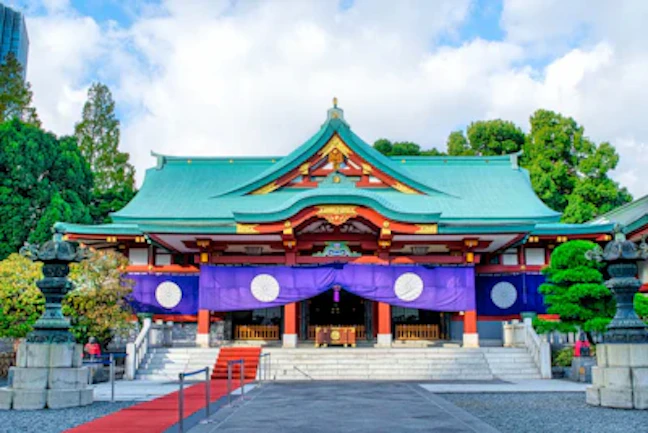
Hie Shrine is located in Chiyoda, central Tokyo.
Originally built within the grounds of Edo Castle, this shrine served as the guardian deity of the castle and was visited by successive shoguns — giving it a uniquely prestigious place in Japanese history.
The shrine enshrines Oyamakui-no-Kami, a deity associated with the growth of all things and the protection of industry. Visitors come here seeking divine blessings for business prosperity, career fortune, and romantic ties.
One of the shrine's most distinctive features is that instead of the guardian dog statues (komainu) typically seen at Japanese shrines, you'll encounter "Masaru" — sacred monkey statues believed to be the messengers of the gods. The name "masaru" carries a charming double meaning in Japanese: "to surpass" (勝る) and "evil departs" (魔が去る), making these monkeys symbols of both achievement and protection from misfortune.
The shrine's amulet office offers a delightful range of monkey-themed goods — from a goshuin-cho (shrine stamp book) and a matching stamp pouch to an adorable selection of monkey-motif amulets (good luck charms). With so many cute options, choosing just one might be the hardest part of your visit!
After your shrine visit, make time for the Treasure Hall on the grounds, which displays a remarkable collection of artifacts associated with the Tokugawa shogunate family, alongside items designated as National Treasures and Important Cultural Properties.
Hie Shrine
| Address | 2-10-5 Nagatacho, Chiyoda, Tokyo |
| Access | Just a short walk from Akasaka Station or Tameike-Sanno Station (Tokyo Metro) |
5.小網神社(Koami Shrine)
Tokyo's Sacred Hotspot for Luck and Financial Fortune
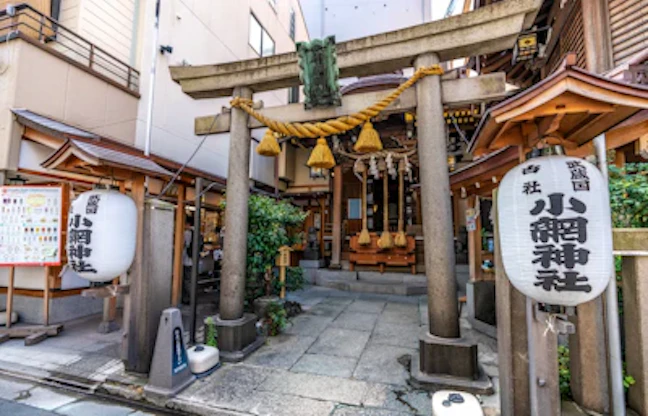
Koami Shrine is a small but remarkably powerful Shinto shrine tucked away in the Nihonbashi district of Chuo, Tokyo. Founded in 1466, it enshrines several deities, including Uganomitama-no-Kami (a god of food, harvests, and prosperity), Ichikishimahime-no-Kami (a goddess of beauty and water), and Fukurokuju — one of the Seven Gods of Fortune, associated with wealth, wisdom, and longevity.
For centuries, this shrine has been celebrated for its powerful protective blessings and divine favor for financial fortune and wealth. It gained renewed national attention after renowned Japanese fortune-teller Getters Iida publicly declared it one of his most highly recommended shrines for drawing in good luck.
Despite its compact size, the shrine's main hall features exquisitely detailed dragon carvings on either side of the entrance canopy. According to shrine tradition, the ascending dragon carries the prayers of worshippers up to the gods, while the descending dragon brings divine grace and blessings back down to the people below.
Among the shrine's many amulets (good luck charms) and goshuin (shrine stamps), the standout item is the "Kyoun no Shizukudama Mamori" (Lucky Water Drop Crystal Amulet). Designed as a hanging charm featuring a red-eyed dragon clasping a genuine crystal, it is said to bring rising fortunes, career success, and work luck. It comes in both gold and silver versions, making it a popular choice as a personal talisman or a thoughtful gift for someone special.
Koami Shrine
| Address | 16-23 Nihonbashi Koamicho, Chuo, Tokyo |
| Access | Approx. 5-min walk from Ningyocho Station Exit A2 (Tokyo Metro Hibiya Line); approx. 7-min walk from Ningyocho Station Exit A5 (Toei Asakusa Line); approx. 15-min walk from Kayabacho Station Exit 10 (Tokyo Metro Tozai Line); approx. 10-min walk from Suitengumae Station Exit 8 (Tokyo Metro Hanzomon Line) |
| Hours | Prayer ceremony reception: 9:00 AM – 4:30 PM |
| Phone | 03-3668-1080 |
Visit Tokyo's Iconic Shrines for a Wonderful Year Ahead
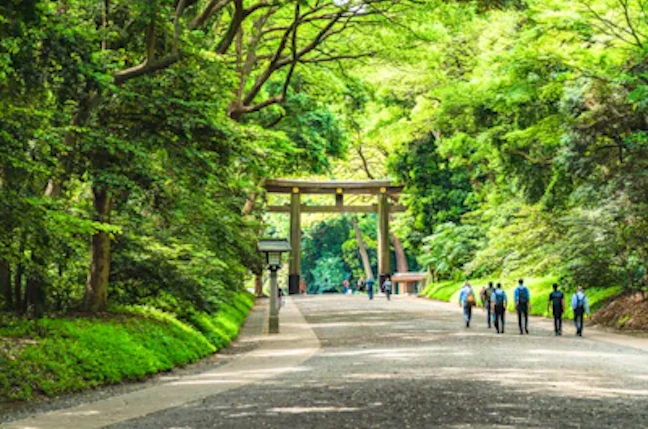
In this guide, we've introduced five of Tokyo's most iconic and beloved shrines — each with centuries of history, a distinct atmosphere, and unique blessings to offer.
Whether you're seeking love, financial luck, career success, or simply the experience of stepping into one of Japan's most sacred spaces, these five shrines have something meaningful for every visitor.
All five are conveniently located within easy walking distance of major train and subway stations, making them simple to weave into any Tokyo itinerary. Why not visit them one by one, and experience the full richness of what Tokyo's shrine culture has to offer?
We hope your visit brings you wonderful memories — and maybe a little extra fortune for the year ahead.